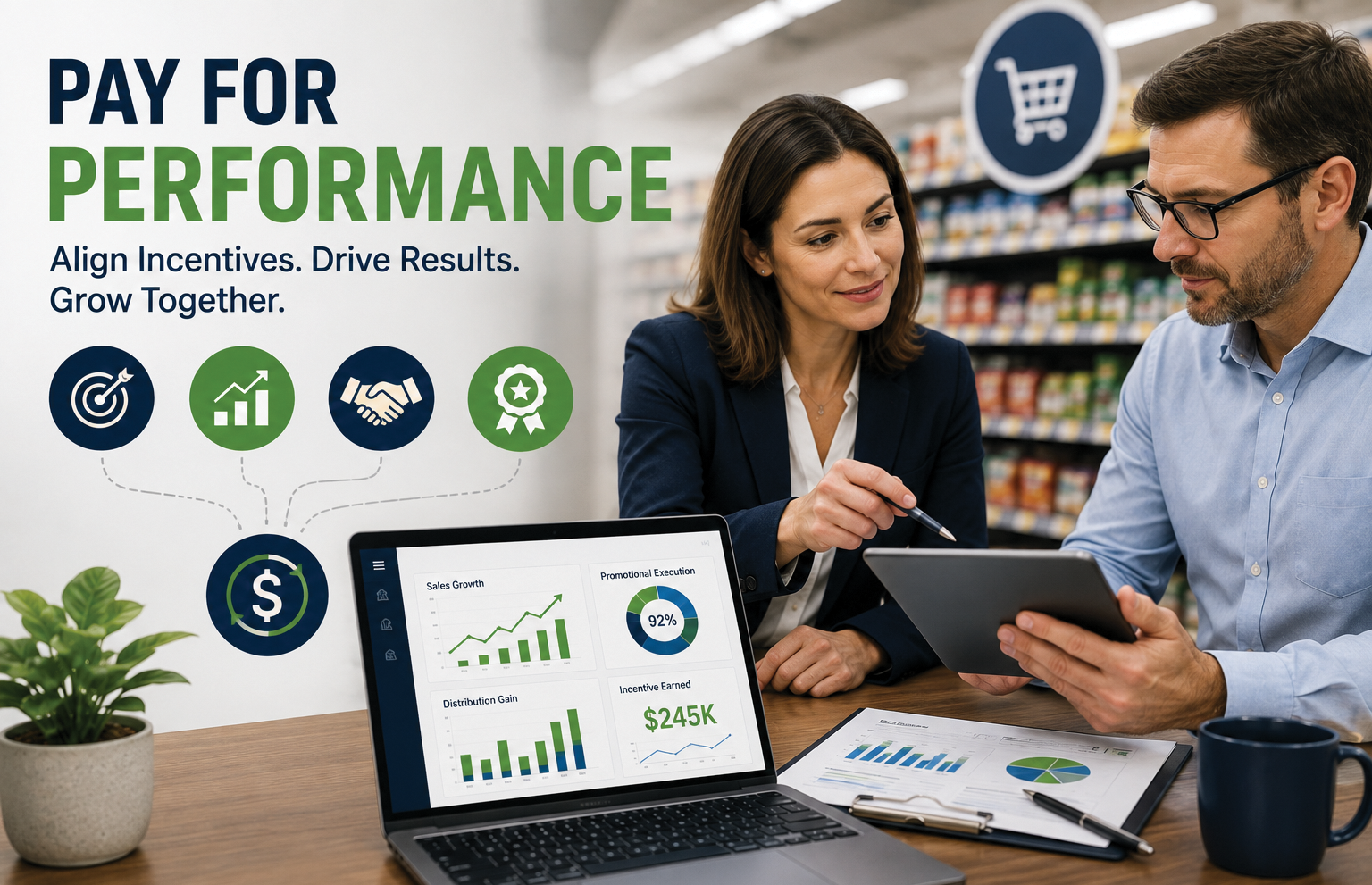
As consumer packaged goods (CPG) manufacturers continue to strengthen retailer partnerships, traditional promotional programs are evolving into more measurable, results-driven initiatives. One of the fastest-growing approaches is Pay for Performance (P4P), a strategy that rewards retailers based on achieving agreed-upon business objectives rather than simply participating in a promotion.
In 2026, Pay for Performance programs are helping manufacturers improve accountability, maximize trade investments, and build stronger retailer relationships through measurable outcomes.
Organizations that embrace performance-based incentives are discovering that rewarding execution, not just participation, can significantly improve promotional effectiveness.
What Is a Pay for Performance Program?
A Pay for Performance (P4P) program is a retail incentive strategy where payments or rewards are tied to predefined performance metrics.
Rather than receiving promotional funding upfront, retailers earn incentives after achieving specific objectives, such as:
Sales growth
Product distribution
Promotional compliance
Display execution
Category growth
Shelf placement
New product launches
This approach creates accountability for both manufacturers and retailers while encouraging stronger execution throughout the promotional period.
Why Pay for Performance Is Growing
As trade investments continue to increase, manufacturers are seeking greater transparency into how promotional dollars are being used.
Pay for Performance programs help organizations:
Improve promotional accountability
Increase retailer engagement
Align incentives with measurable outcomes
Reduce ineffective promotional spending
Strengthen long-term partnerships
Improve return on trade investments
Rather than rewarding participation alone, organizations reward results that contribute to business growth.
Benefits for CPG Manufacturers
Improved Return on Investment
Performance-based programs help manufacturers allocate resources toward activities that generate measurable business value.
Better Retail Execution
Retailers are more likely to execute promotional plans successfully when incentives are tied directly to performance.
Stronger Retailer Collaboration
Clear expectations and shared performance goals encourage better communication and stronger business relationships.
Increased Visibility
Performance metrics provide manufacturers with valuable insights into which retailers, products, and promotions are delivering the greatest impact.
Benefits for Retailers
Retailers also benefit from Pay for Performance initiatives.
Advantages include:
Clear performance expectations
Greater earning potential
Stronger supplier partnerships
Increased category growth
Improved operational focus
Better planning opportunities
Programs built around mutual success often produce better long-term results than traditional promotional funding models.
KPIs Commonly Used in Pay for Performance Programs
Successful P4P programs rely on measurable performance indicators.
Common KPIs include:
Sales growth
Unit sales
Incremental revenue
Distribution gains
Display compliance
Shelf placement
Promotional execution
Category growth
Product availability
Retail audit scores
Organizations should establish KPIs before the program begins to ensure transparency and consistency.
Why Business Intelligence Supports Better Performance
Business intelligence plays an important role in Pay for Performance initiatives.
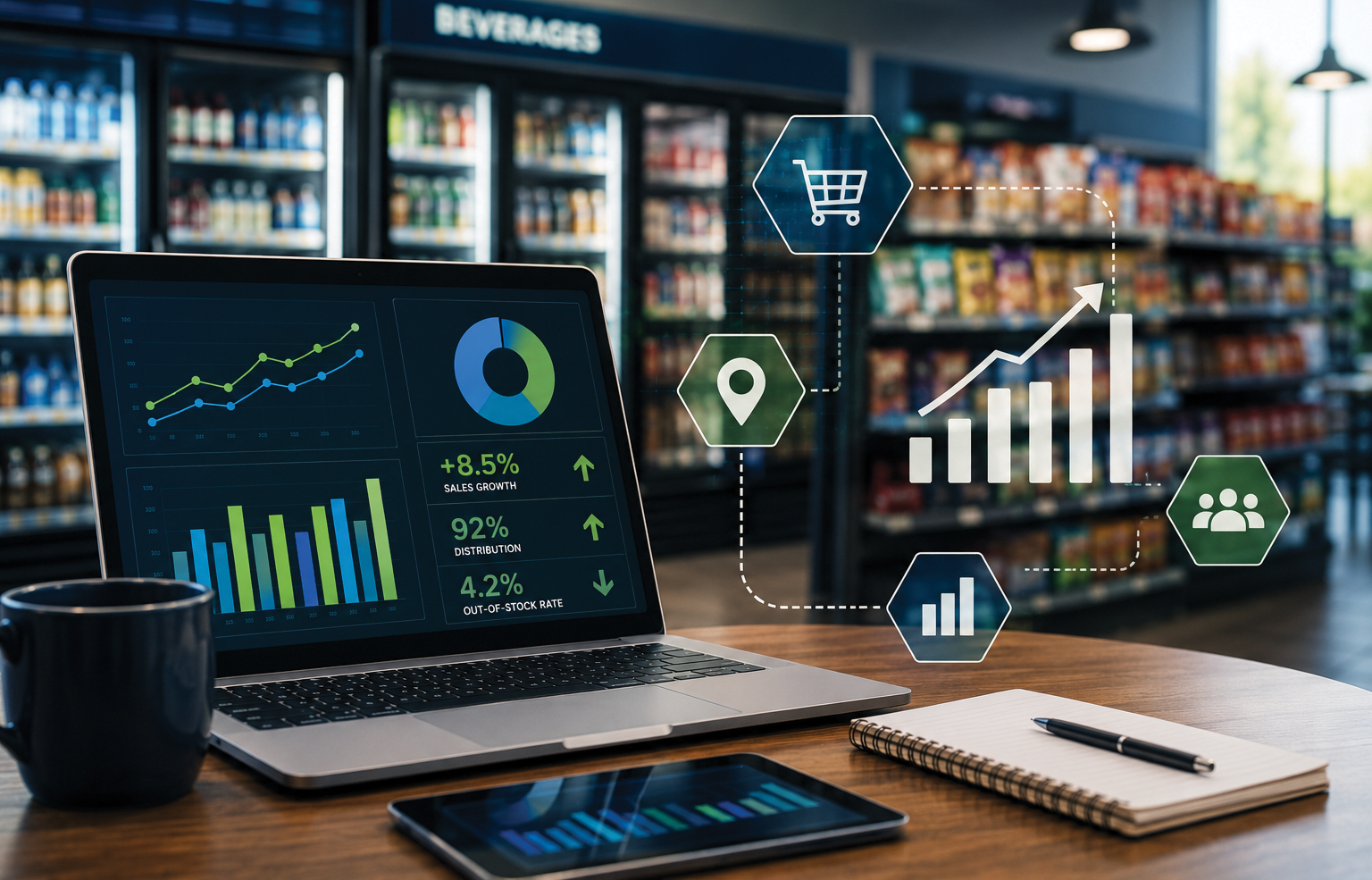
Performance dashboards allow manufacturers and retailers to monitor progress throughout a promotion rather than waiting until the end.
Business intelligence can help organizations:
Track KPI performance
Monitor retailer participation
Compare promotional results
Measure incentive achievement
Identify high-performing programs
Support future planning
Read our related article:
What Every CPG KPI Dashboard Should Measure in 2026
Common Challenges
Like any performance-based program, Pay for Performance requires careful planning.
Organizations should address:
Clearly Defined Objectives
All participants should understand how performance will be measured.
Reliable Data
Accurate reporting is essential for maintaining trust between manufacturers and retailers.
Consistent Communication
Regular performance updates help keep programs on track.
Fair Measurement
KPIs should be objective, measurable, and agreed upon by both parties.
Best Practices for Successful Programs
Organizations can improve program success by:
Defining measurable KPIs
Establishing clear expectations
Monitoring performance regularly
Sharing performance reports
Conducting post-program reviews
Continuously improving future initiatives
The most successful Pay for Performance programs focus on partnership rather than simply incentive payments.
Frequently Asked Questions
What is Pay for Performance?
Pay for Performance is a trade program strategy that rewards retailers based on achieving specific business objectives rather than simply participating in a promotion.
Why are Pay for Performance programs becoming more popular?
Manufacturers are seeking greater accountability and improved ROI from trade investments while retailers benefit from performance-based incentives.
What KPIs are commonly used?
Organizations frequently measure sales growth, promotional execution, display compliance, distribution gains, category growth, and retailer participation.
How does Pay for Performance improve retailer relationships?
Clear expectations, shared goals, and measurable results help strengthen collaboration between manufacturers and retailers.
How can business intelligence support Pay for Performance?
Business intelligence provides visibility into program performance, retailer scorecards, KPI tracking, and promotional results, enabling better decision-making throughout the program.
Looking Ahead
Performance-based retail programs will continue gaining momentum throughout 2026 as manufacturers seek more effective ways to maximize promotional investments and strengthen retailer partnerships.
Organizations that combine clear objectives, measurable KPIs, and ongoing performance visibility will be better positioned to improve trade program outcomes and drive sustainable growth.
For more insights on trade promotion, business intelligence, and CPG performance, visit the InfoBate News Center.