As food and beverage manufacturers continue to navigate evolving regulations, consumer expectations, and supply chain complexity, traceability has become a critical business priority in 2026.
From ingredient sourcing to finished product distribution, companies are under increasing pressure to quickly identify, track, and verify products throughout the supply chain. Organizations that invest in stronger traceability processes are finding benefits that extend well beyond compliance—including improved food safety, stronger customer trust, and greater operational visibility.
Why Traceability Matters More Than Ever
Today’s consumers want to know more about the products they purchase. Retailers and distributors are also demanding greater transparency from their suppliers. At the same time, manufacturers must be prepared to respond quickly to recalls, audits, and quality concerns.
Effective traceability enables companies to:
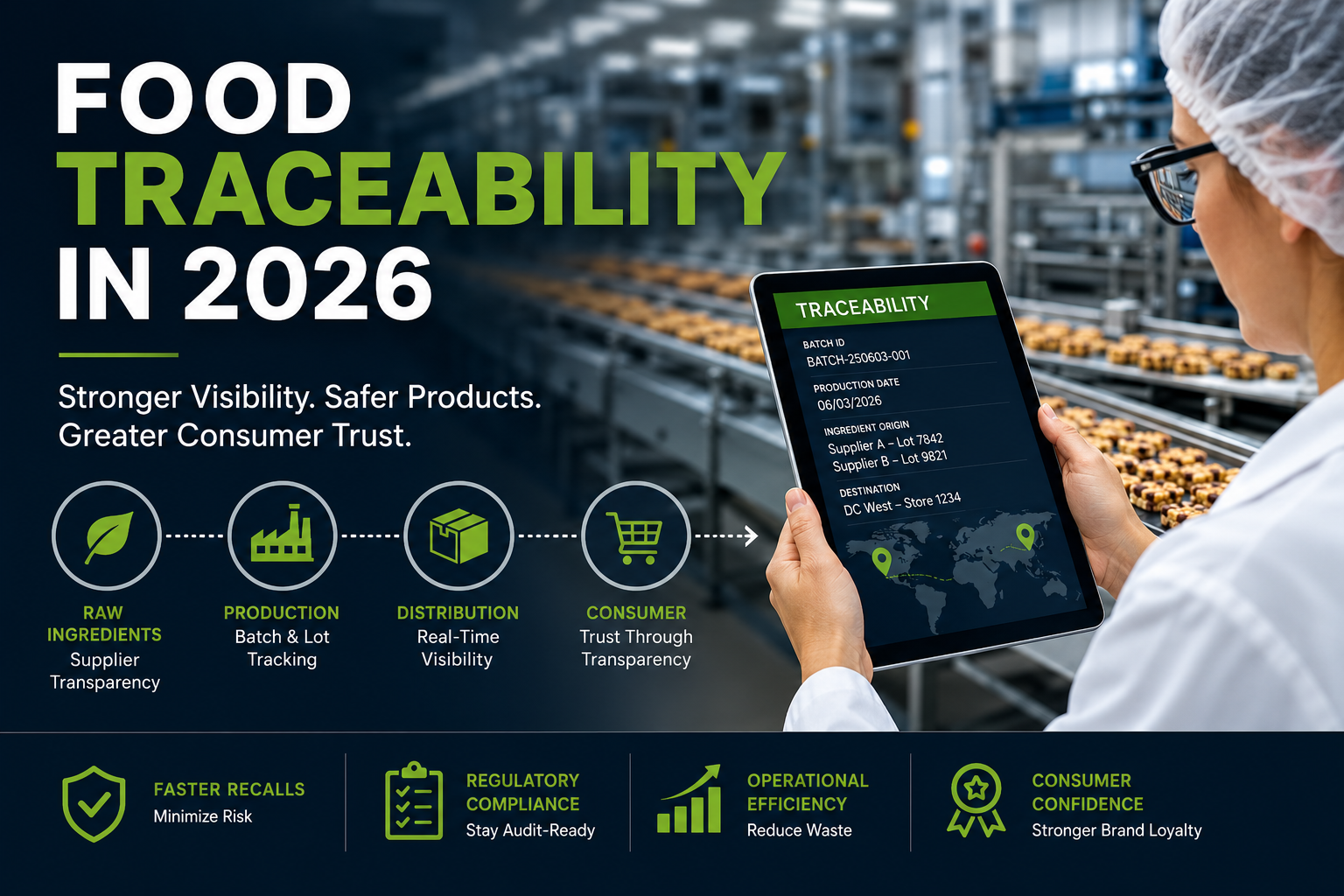
- Track ingredients from supplier to finished product
- Improve recall readiness
- Reduce compliance risk
- Strengthen food safety programs
- Improve inventory accuracy
- Support sustainability initiatives
- Build consumer confidence
For manufacturers operating in highly regulated industries, traceability is no longer optional—it is a business necessity.
Organizations seeking to improve visibility across their operations often begin by evaluating their current processes and identifying opportunities to strengthen data collection and reporting. Visit the InfoBate News Center for additional industry insights.
The Impact of Supply Chain Complexity
Modern food supply chains are more interconnected than ever. A single product may contain ingredients sourced from multiple regions, processed through various facilities, and distributed across numerous channels.
This complexity creates challenges such as:
Supplier Visibility
Manufacturers need accurate records of ingredient origins, lot numbers, and supplier certifications to maintain quality standards and meet regulatory requirements.
Recall Management
When quality issues arise, companies must be able to identify affected products quickly and accurately. Delays can increase costs, damage brand reputation, and disrupt customer relationships.
Inventory Control
Without reliable tracking processes, organizations may struggle with inventory discrepancies, waste, and fulfillment challenges.
As supply chains become more complex, manufacturers are looking for ways to improve inventory accuracy, strengthen supplier collaboration, and increase operational visibility. Explore additional resources in the InfoBate News Center.
Building a Strong Traceability Strategy
Successful manufacturers are taking a proactive approach to traceability by focusing on several key areas.
Standardized Data Collection
Consistent data capture throughout production and distribution processes helps ensure information remains accurate and accessible.
Lot and Batch Tracking
Detailed tracking of raw materials and finished goods allows organizations to quickly trace products through the supply chain.
Supplier Collaboration
Strong communication and documentation practices with suppliers help improve visibility and reduce risk.
Continuous Process Improvement
Regular reviews of traceability procedures help identify opportunities to improve efficiency, accuracy, and compliance.
Companies focused on improving visibility and operational performance may also find value in reading Why Food & Beverage Manufacturers Are Prioritizing Visibility and Trade Spend Optimization in 2026.
Traceability and Consumer Trust
Consumers are increasingly interested in where products come from, how they are made, and the standards used throughout production.
Organizations that demonstrate transparency and accountability can strengthen customer relationships while differentiating themselves in a competitive marketplace.
For food, beverage, confectionery, and snack manufacturers, traceability is becoming a key component of brand trust and long-term growth.
Transparency not only supports compliance efforts but can also strengthen customer relationships. Manufacturers looking to stay competitive should remain informed about the latest developments affecting the food and beverage industry through the InfoBate News Center.
Looking Ahead
As regulations evolve and supply chains become more complex, traceability will continue to play an important role in food manufacturing success.
Companies that prioritize visibility, documentation, and accountability today will be better positioned to manage risk, maintain compliance, and meet customer expectations in the future.
Whether focused on food safety, quality assurance, or operational excellence, manufacturers that invest in traceability are building a stronger foundation for sustainable growth.
For more industry insights, trends, and best practices, visit the InfoBate News & Insights page.