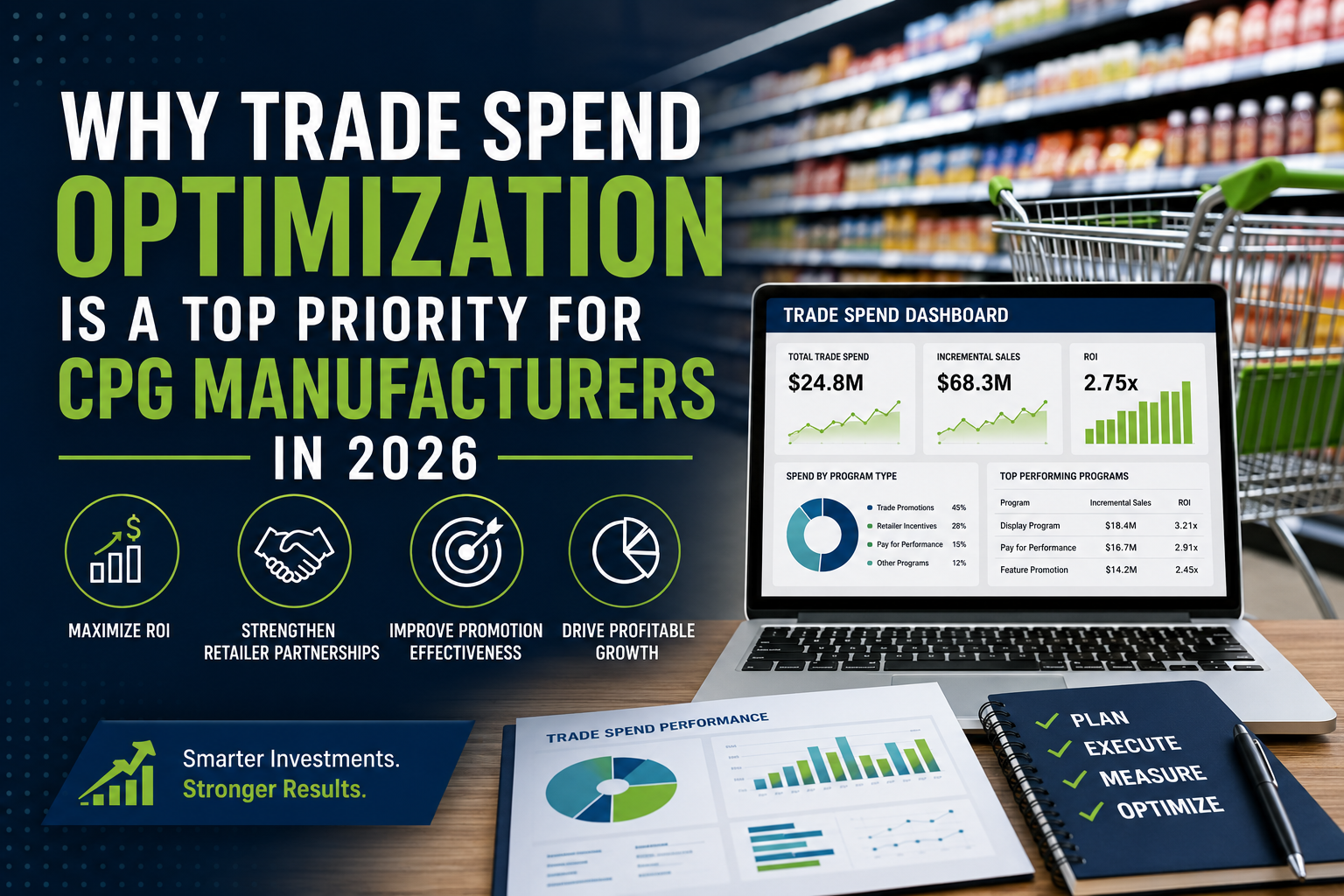
Trade spend remains one of the largest investments for consumer packaged goods (CPG) manufacturers, yet many organizations still struggle to accurately measure performance, track program effectiveness, and maximize return on investment.
As retailers continue to demand greater accountability and margins remain under pressure, trade spend optimization has become a strategic priority for CPG manufacturers in 2026.
Organizations that improve visibility into trade promotions, retailer incentives, and performance-based programs are gaining a competitive advantage through better decision-making, stronger retailer partnerships, and improved profitability.
What Is Trade Spend?
Trade spend refers to the funds manufacturers allocate to support product sales through retailers and distributors.
- Promotional allowances
- Retail discounts
- Marketing programs
- Retailer incentives
- Display programs
- Pay for performance initiatives
- Co-op advertising
- Temporary price reductions
For many CPG companies, trade spend can represent one of the largest controllable expenses within the organization.
Why Trade Spend Optimization Matters More Than Ever
As competition increases across retail channels, manufacturers are under growing pressure to demonstrate the value of every dollar invested.
Rising Retailer Expectations
Retailers increasingly expect suppliers to provide measurable results from promotional programs and trade investments.
Margin Pressure
Inflation, transportation costs, labor challenges, and changing consumer buying habits continue to impact profitability. Optimizing trade spend helps organizations protect margins while maintaining strong retailer relationships.
Increased Program Complexity
Many manufacturers manage dozens—or even hundreds—of active promotions across multiple customers and channels. Without proper visibility, it becomes difficult to understand which programs are driving results.
Common Trade Spend Challenges
Limited Visibility
Trade data is often spread across multiple systems, departments, and spreadsheets. This fragmentation can make it difficult to understand overall program performance.
Manual Reporting
Many organizations still rely on manual reporting processes that consume time and increase the risk of errors.
Difficulty Measuring ROI
Without accurate performance data, manufacturers may struggle to determine which promotions are generating profitable growth.
Compliance Issues
Tracking retailer compliance and promotional execution can be challenging without clear reporting and accountability.
The Benefits of Trade Spend Optimization
- Improved decision-making: Better visibility into program performance enables teams to allocate resources more effectively.
- Stronger retail partnerships: Data-driven discussions help strengthen retailer relationships and improve collaboration.
- Increased promotional effectiveness: Organizations can identify high-performing programs and eliminate ineffective spending.
- Better financial performance: Reducing waste and improving investment allocation contributes directly to profitability.
The Role of Trade Program Management
Successful trade spend optimization requires more than simply tracking expenses. Organizations need processes that support program planning, budget management, performance measurement, compliance monitoring, retailer collaboration, and post-promotion analysis.
Trade program management provides the structure needed to evaluate program effectiveness and improve future decision-making.
Why CPG Business Intelligence Matters
Many manufacturers are investing in CPG business intelligence capabilities to improve visibility and uncover performance trends.
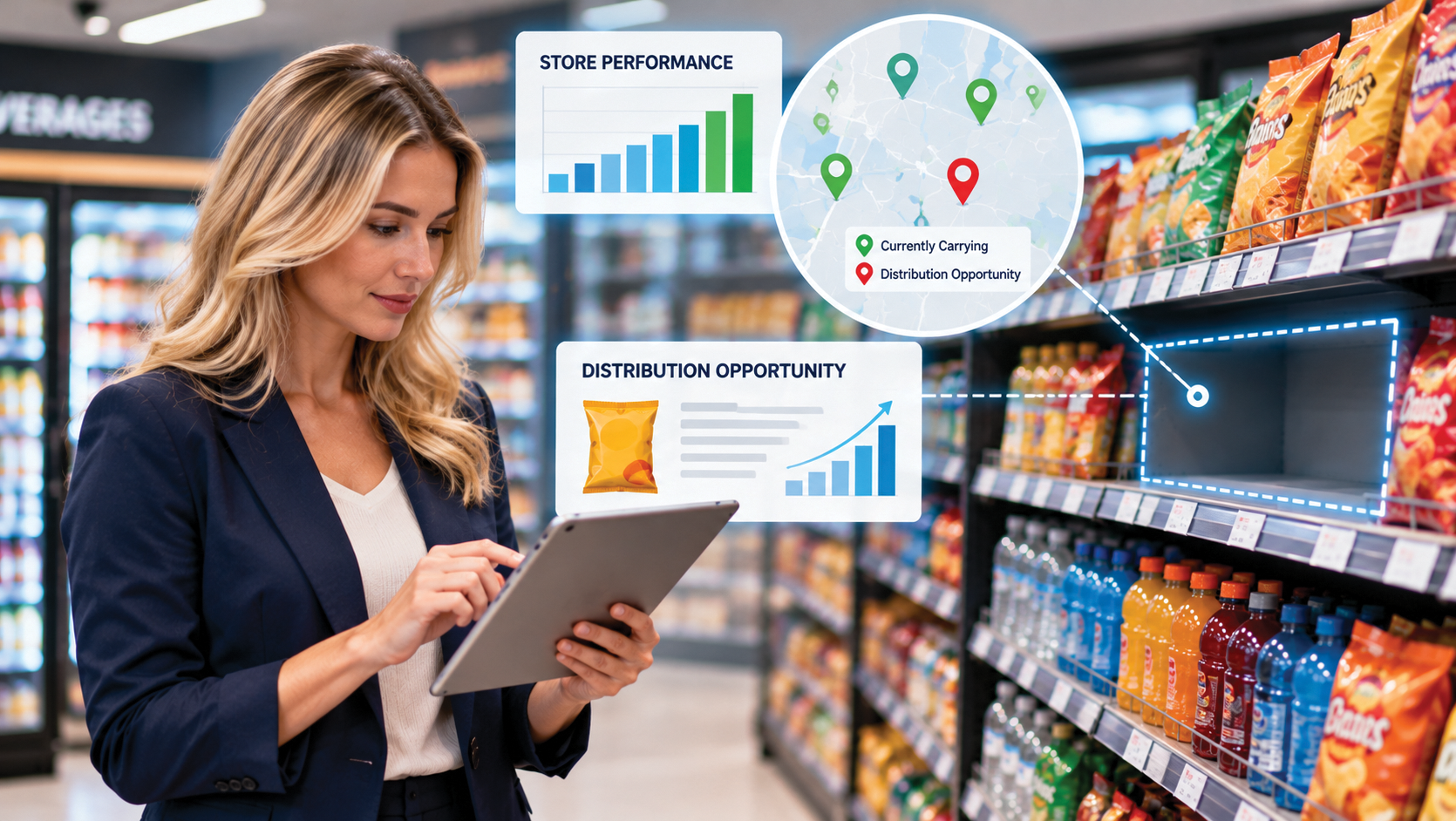
Business intelligence helps organizations analyze promotional effectiveness, track retailer performance, monitor compliance metrics, evaluate pay for performance initiatives, identify growth opportunities, and improve forecasting accuracy.
For more industry insights, visit the InfoBate News Center.
Pay for Performance Is Gaining Momentum
Pay for performance programs continue to grow in popularity as manufacturers seek greater accountability from trade investments.
These programs reward retailers and partners based on measurable outcomes such as sales growth, product distribution, promotional execution, shelf placement, and category performance.
Frequently Asked Questions About Trade Spend Optimization
What is trade spend optimization?
Trade spend optimization is the process of improving how a company plans, manages, tracks, and evaluates trade investments such as promotions, retailer incentives, discounts, and marketing programs.
Why is trade spend important for CPG manufacturers?
Trade spend is important because it directly impacts profitability, retailer relationships, promotional effectiveness, and sales performance.
What are common trade spend challenges?
Common challenges include limited visibility, manual reporting, difficulty measuring promotional ROI, retailer compliance issues, and managing multiple trade programs across different customers and channels.
How can manufacturers measure trade promotion effectiveness?
Manufacturers can measure trade promotion effectiveness by tracking sales lift, incremental revenue, promotional ROI, distribution gains, retailer compliance, and category performance.
What is the difference between trade spend and trade promotion?
Trade spend refers to the total investment a manufacturer makes to support retail sales. Trade promotion refers to specific activities funded by trade spend, such as discounts, displays, coupons, and retailer incentives.
What KPIs should manufacturers track for trade spend performance?
Important KPIs include promotional ROI, sales lift, incremental revenue, trade spend as a percentage of sales, retailer compliance rates, distribution growth, and pay for performance achievement metrics.
Looking Ahead
Trade spend optimization will continue to be a major focus for CPG manufacturers throughout 2026 and beyond.
Organizations that improve visibility, strengthen compliance processes, and leverage business intelligence to evaluate performance will be better positioned to maximize ROI and drive sustainable growth.
Read more about related industry topics in the InfoBate News Center or explore our article on inventory accuracy as a competitive advantage.